Quick Case Finder Find the Right Industry Solutions Tell us what you need to match. Only search paths supported by Industry Solutions products are shown.

Step 1

How should we match your case?

Choose the closest match. We will only show measurements and options supported by products in Industry Solutions.

Protective Case Solutions by Industry

Explore protective case solutions for government, military, education, manufacturing, IT, public safety, healthcare, aerospace, AV production, scientific equipment, trade shows, and other professional applications.

Protection by Application

Find the Right Protective Case for Your Industry

Government & Defense Education Industrial IT & Telecom Public Safety


Specialty Cases has helped organizations protect, transport, deploy, and store valuable equipment since 1989.

Healthcare Aerospace Broadcast & AV Test & Measurement Trade Shows

Start with the equipment, operating environment, transport method, and protection requirements.

Protective cases for professional equipment transport and deployment
Protective Cases for Industrial Use Compare protective cases by equipment type, usable size, transport environment, mobility, interior protection, and purchasing requirements.

Choose the right starting point

Match the Case to the Equipment, Trip and Handling

Begin with what the equipment must go through: parcel or freight shipping, vehicle transport, field deployment, repeated setup, storage, weather exposure, or frequent handling. Then compare usable interior size, construction, mobility, access, and interior protection.

Before ordering, measure the equipment at its widest, tallest, and deepest points, including connectors, handles, mounts, cables, and accessories. Record the loaded weight and leave room for the selected foam, dividers, or organizer.

Choose by work environment

Find Cases for Your Industry and Equipment

Select the closest operating environment to compare common equipment, transport demands, useful case types, and products. If your work spans industries, choose by equipment below.

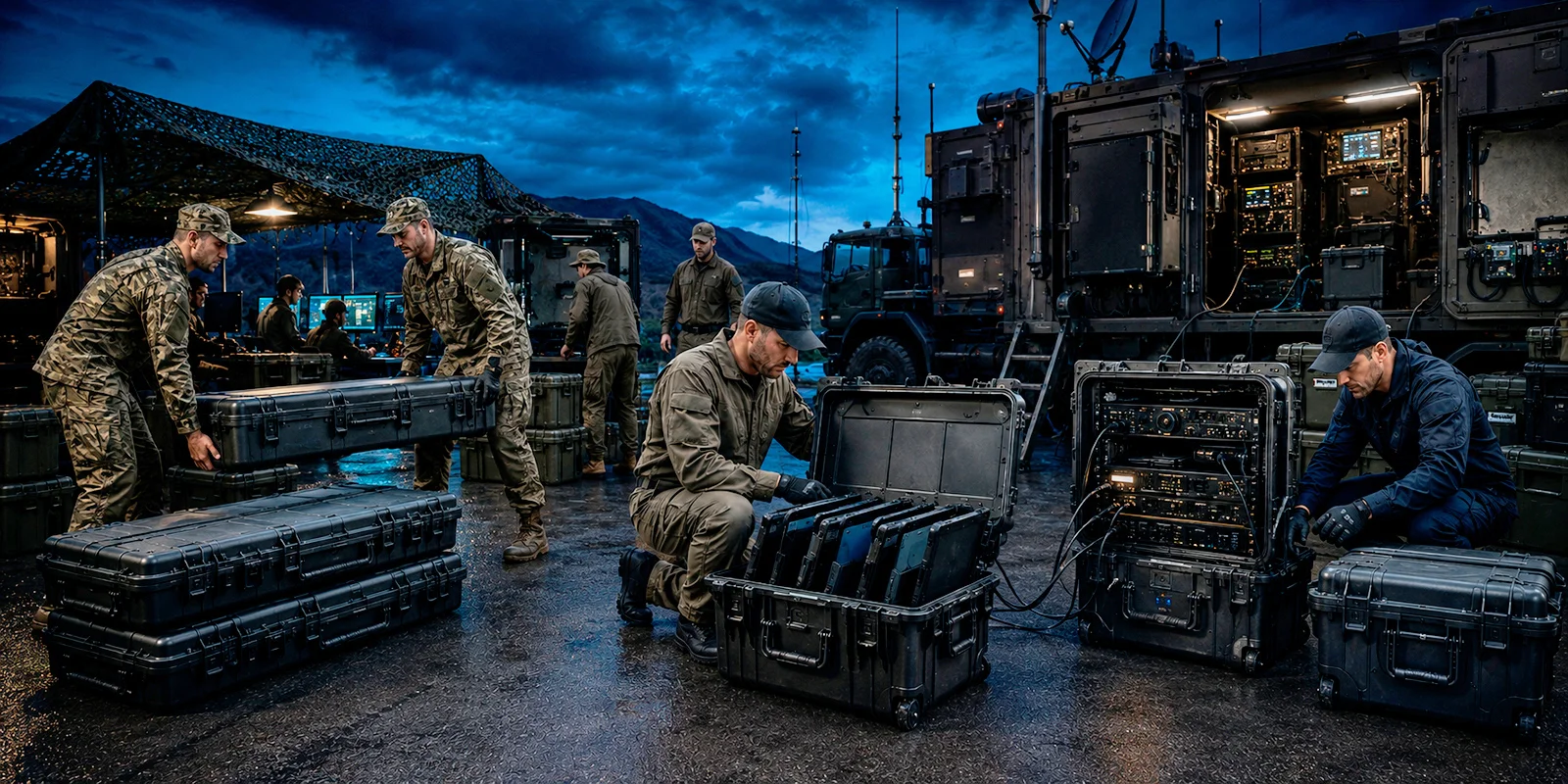
Protective equipment cases for government and defense field operations

Government & Defense

Government, Military & Defense

Start here for communications systems, rack-mounted electronics, computers, instruments, field kits, and mission-support hardware moved between facilities or deployment sites.

Compare first: loaded weight, rack depth and U height, lifting method, shipment frequency, removable-lid access, interior cushioning, quantity, and delivery schedule.

Protective laptop cases in an education and training environment

Education

Education & Training

Use for laptops, tablets, AV systems, mobile labs, training kits, and shared devices moving between classrooms, campuses, storage rooms, or training sites.

Compare first: device count, charging and accessory space, screen separation, rolling mobility, storage requirements, and who will lift the loaded case.
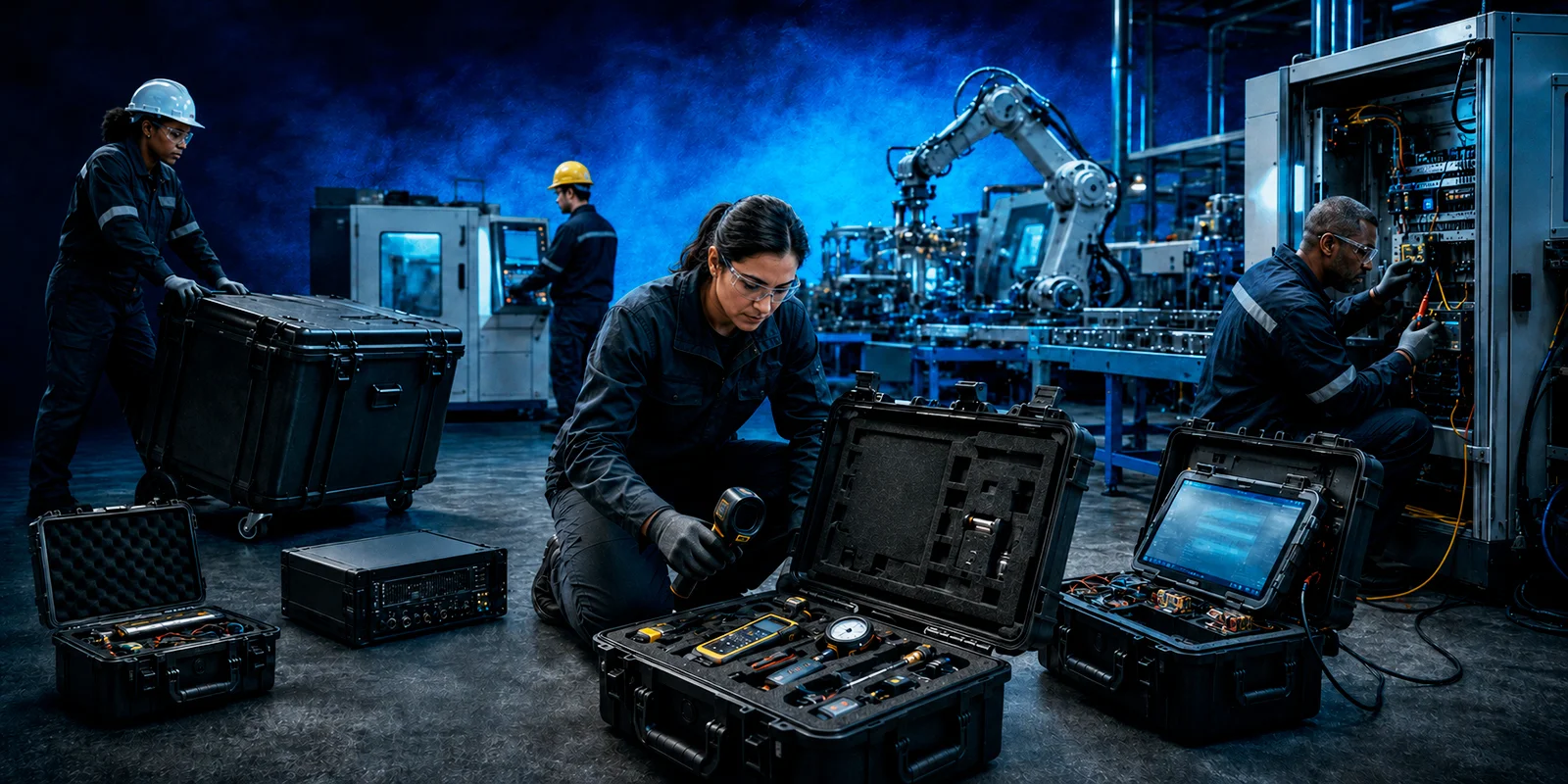
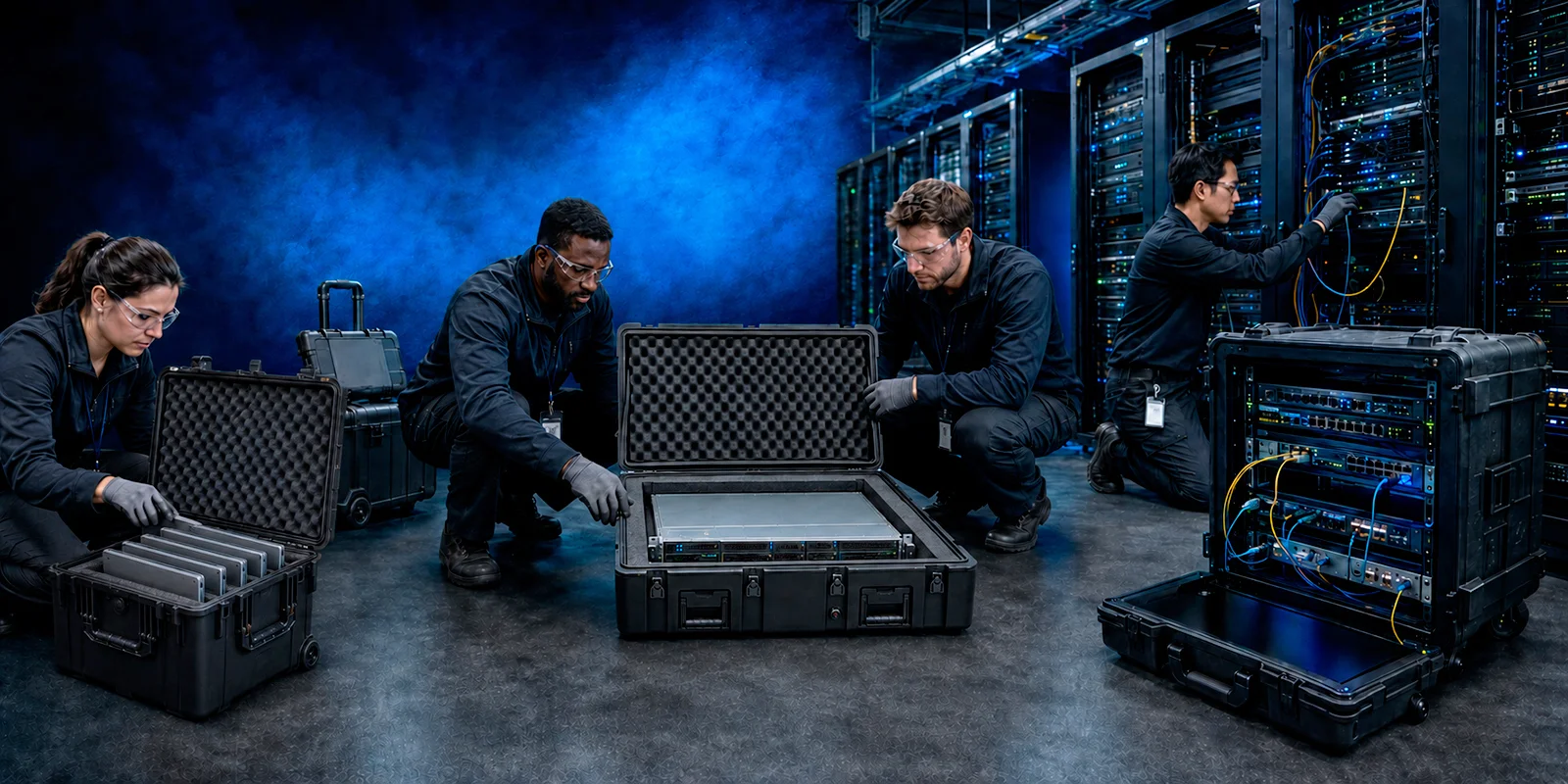
Protective server and equipment cases for IT, data centers, and telecom

IT & Infrastructure

IT, Data Centers & Telecom

Start with the server type, rack depth, U height, networking hardware, laptops, cables, and accessories that travel for deployment, service, recovery, or relocation.

Compare first: installed weight, front and rear rack access, shock isolation, cable storage, lift points, wheels, shipping method, and deployment sequence.
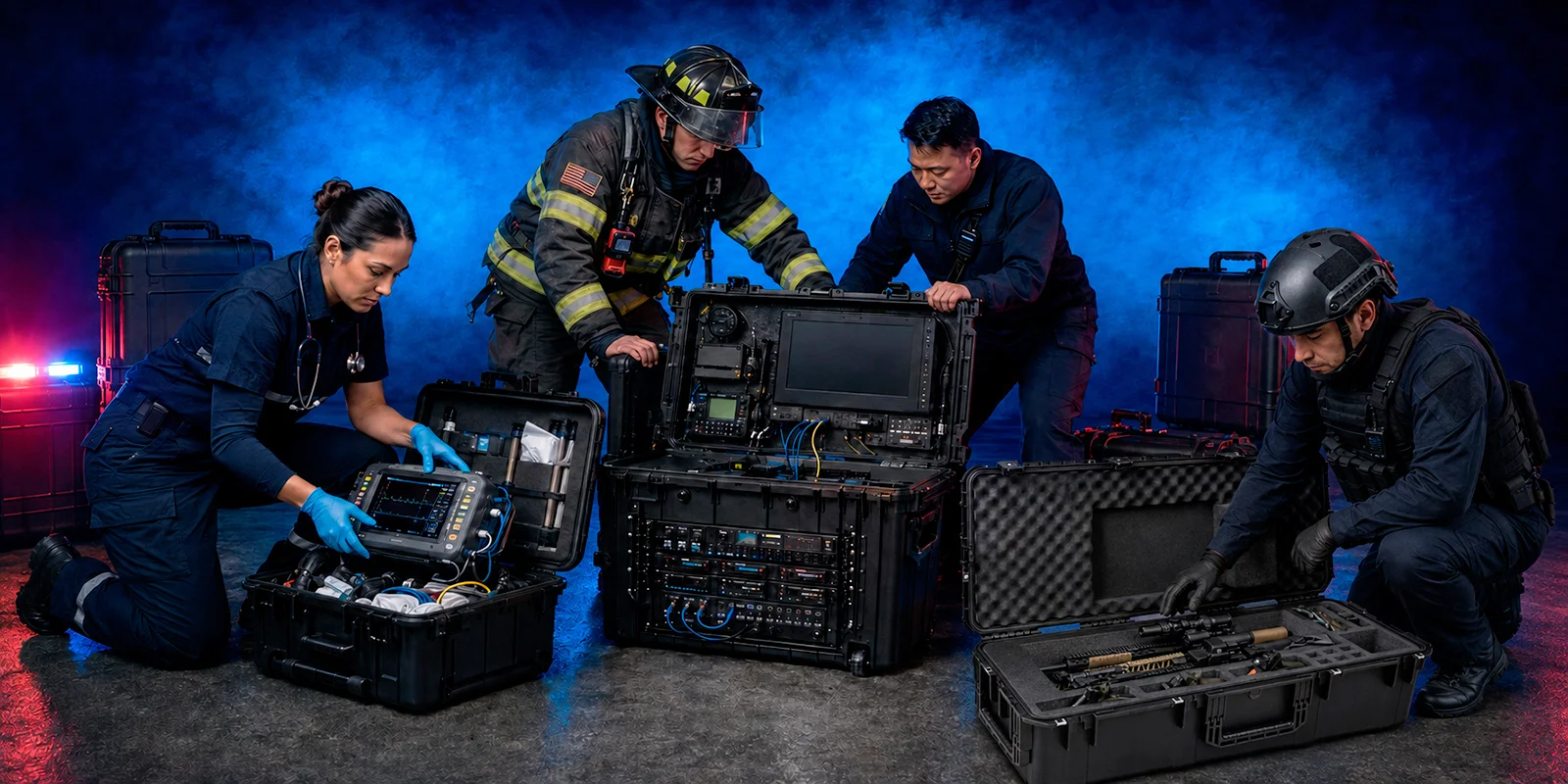
Protective cases for public safety and emergency-response equipment

Public Safety

Public Safety & Emergency Response

Use for communications devices, incident-command electronics, response kits, field gear, and mobile systems that must be located, moved, and opened quickly.

Compare first: deployment speed, item visibility, labeling and organization, weather or dust exposure, wheels, vehicle storage, and one- or two-person handling.
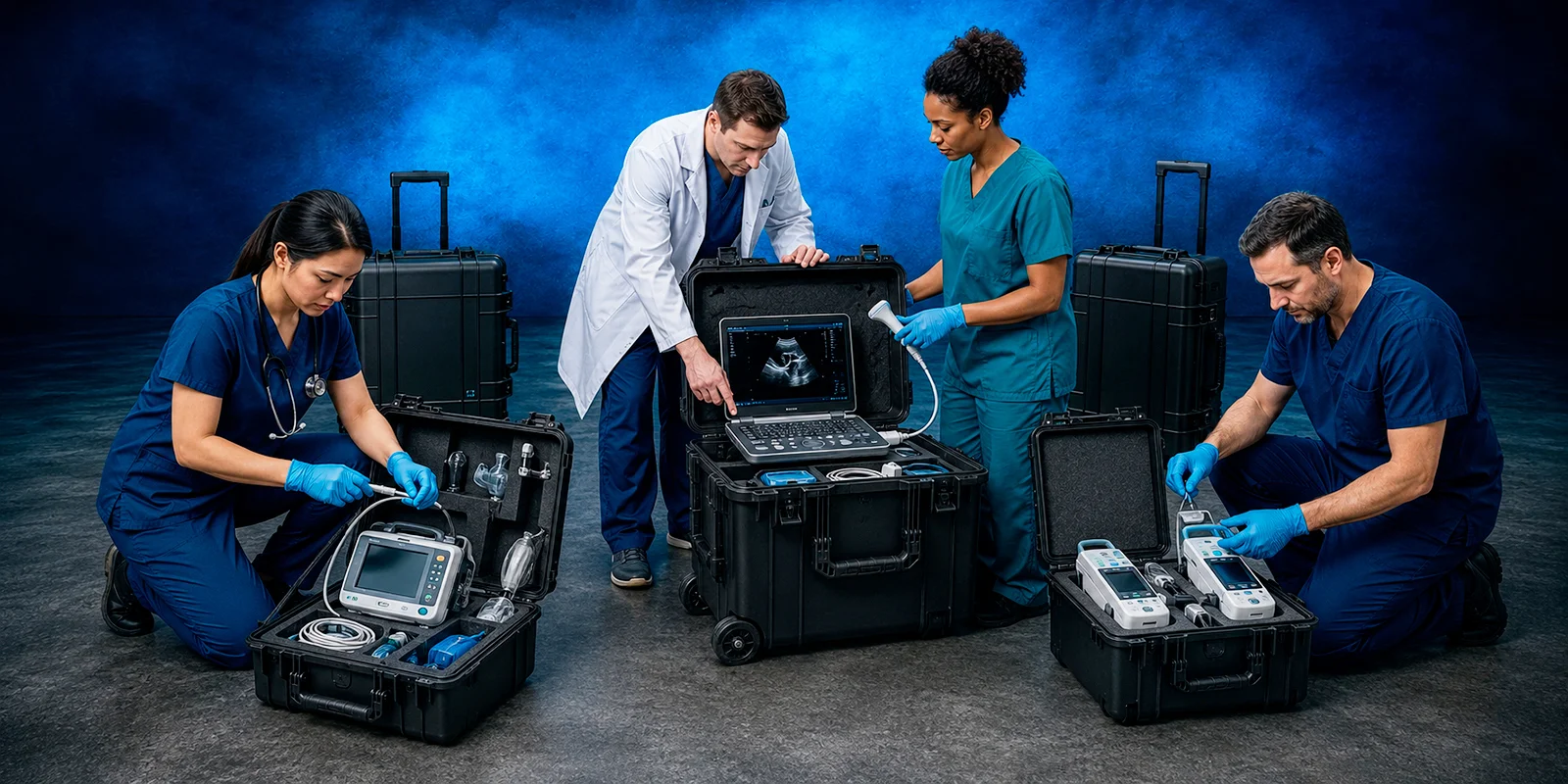
Protective transport cases for medical and healthcare equipment

Healthcare

Medical & Healthcare

Use for diagnostic devices, instruments, portable electronics, mobile technology, and technical kits that require an organized packing layout for transport or storage.

Compare first: exact dimensions, loaded weight, accessory separation, interior contact points, repeat-transport frequency, inventory checks, and shipping method.
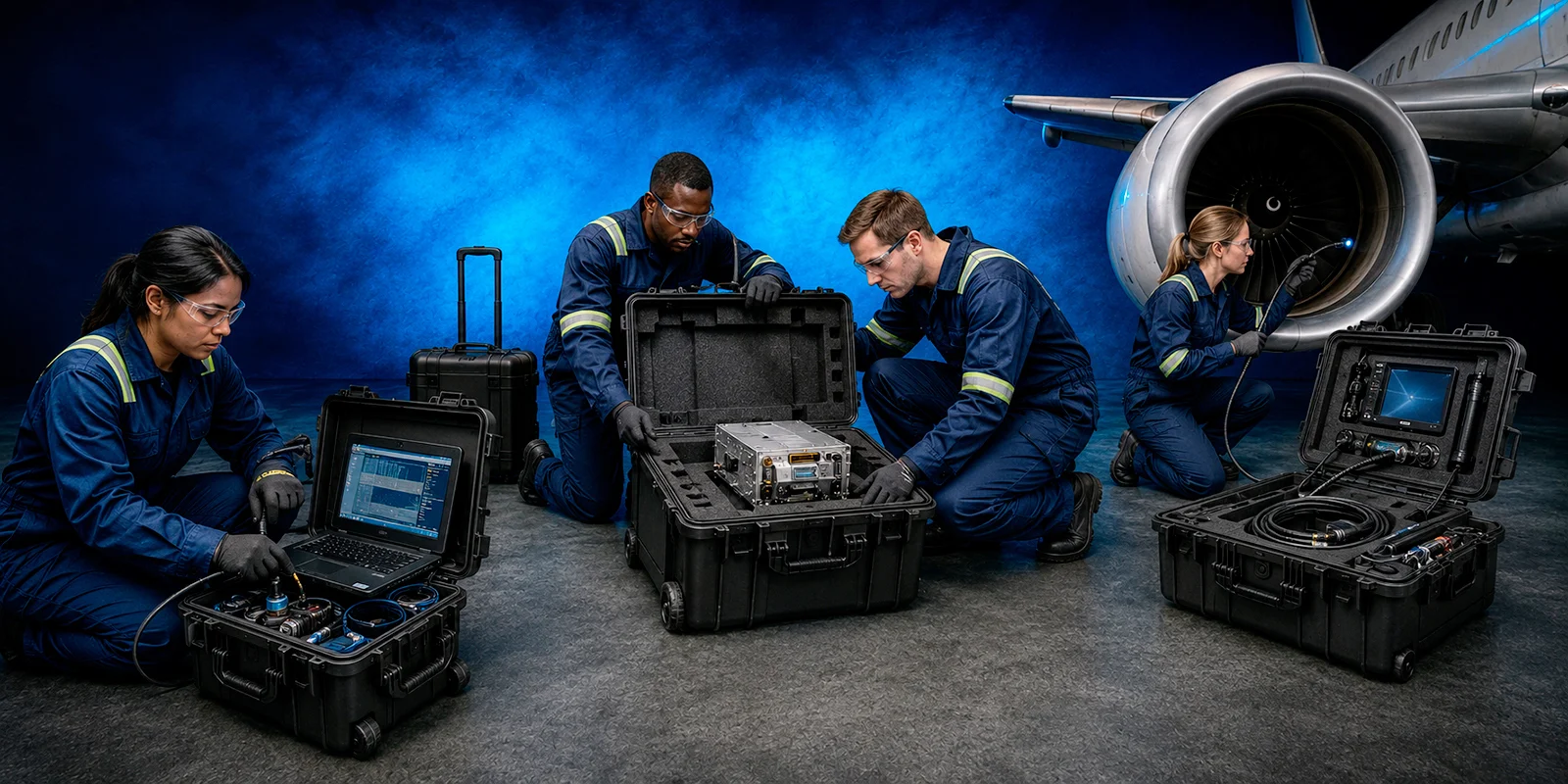
Protective equipment cases for aerospace and aviation operations

Aerospace

Aerospace & Aviation

Use for instrumentation, electronics, maintenance tools, aircraft components, test equipment, and technical kits moving between storage, service, test, and operating locations.

Compare first: equipment sensitivity, shipping frequency, controlled tool layout, accessory accountability, wheels or lift points, and repeat handling.
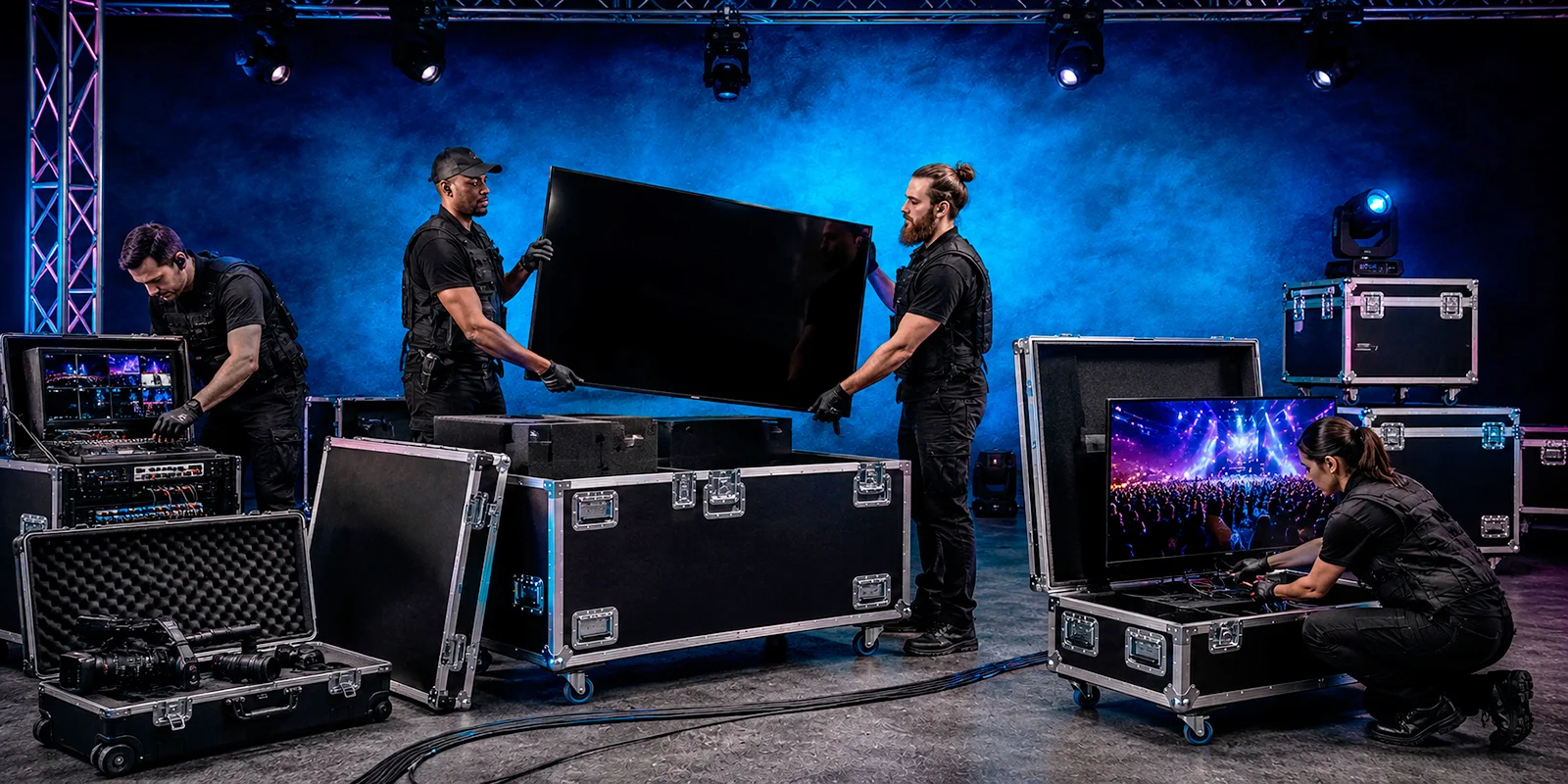
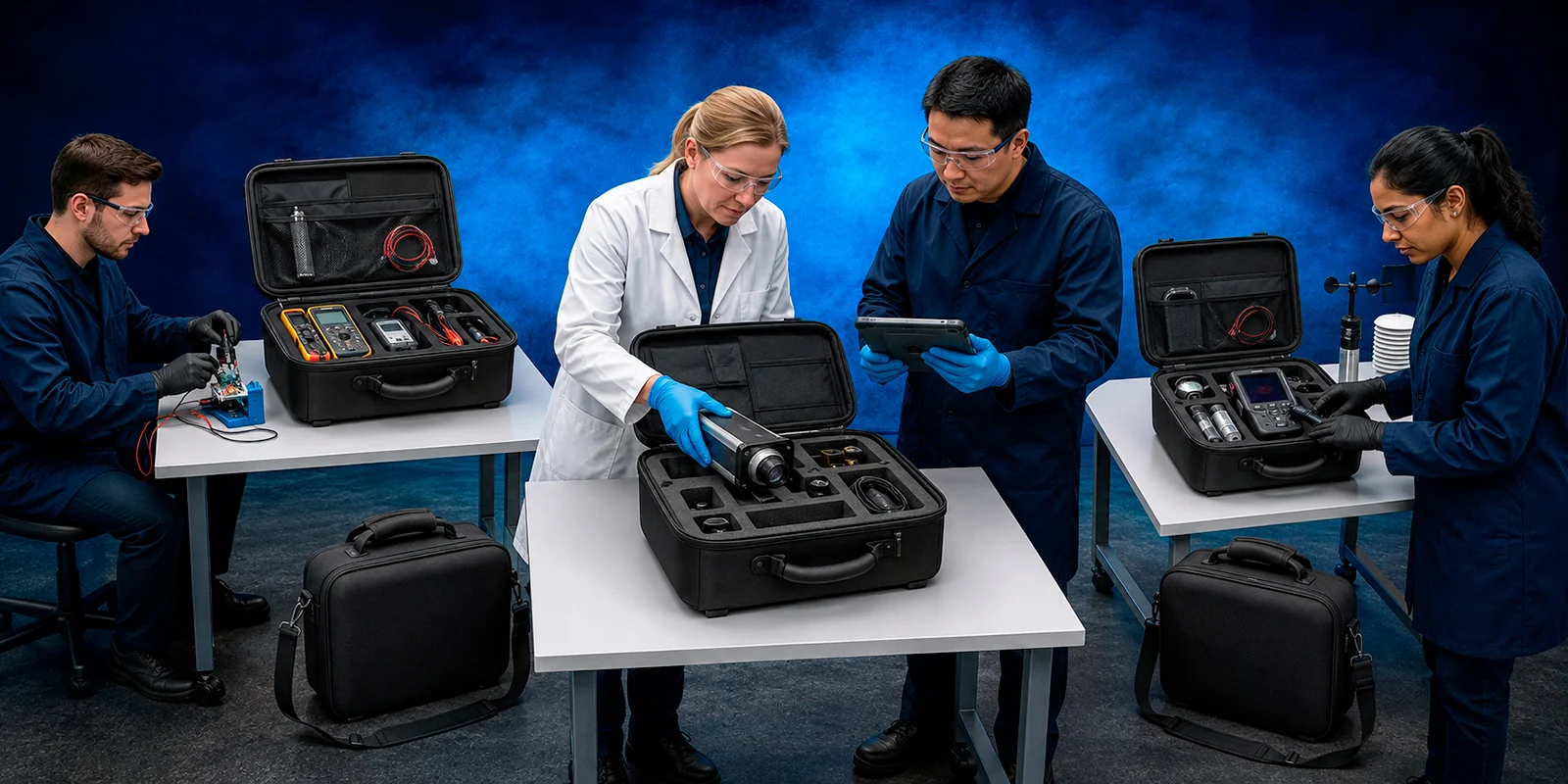
Protective cases for test, measurement, and scientific instruments

Scientific & Technical

Test, Measurement & Scientific

Use for measurement instruments, data-acquisition systems, calibration tools, sensors, laboratory electronics, and field-testing equipment with defined accessories and packing positions.

Compare first: sensitivity, transport orientation, foam clearance, accessory separation, calibration-tool storage, wheels, and parcel or freight handling.
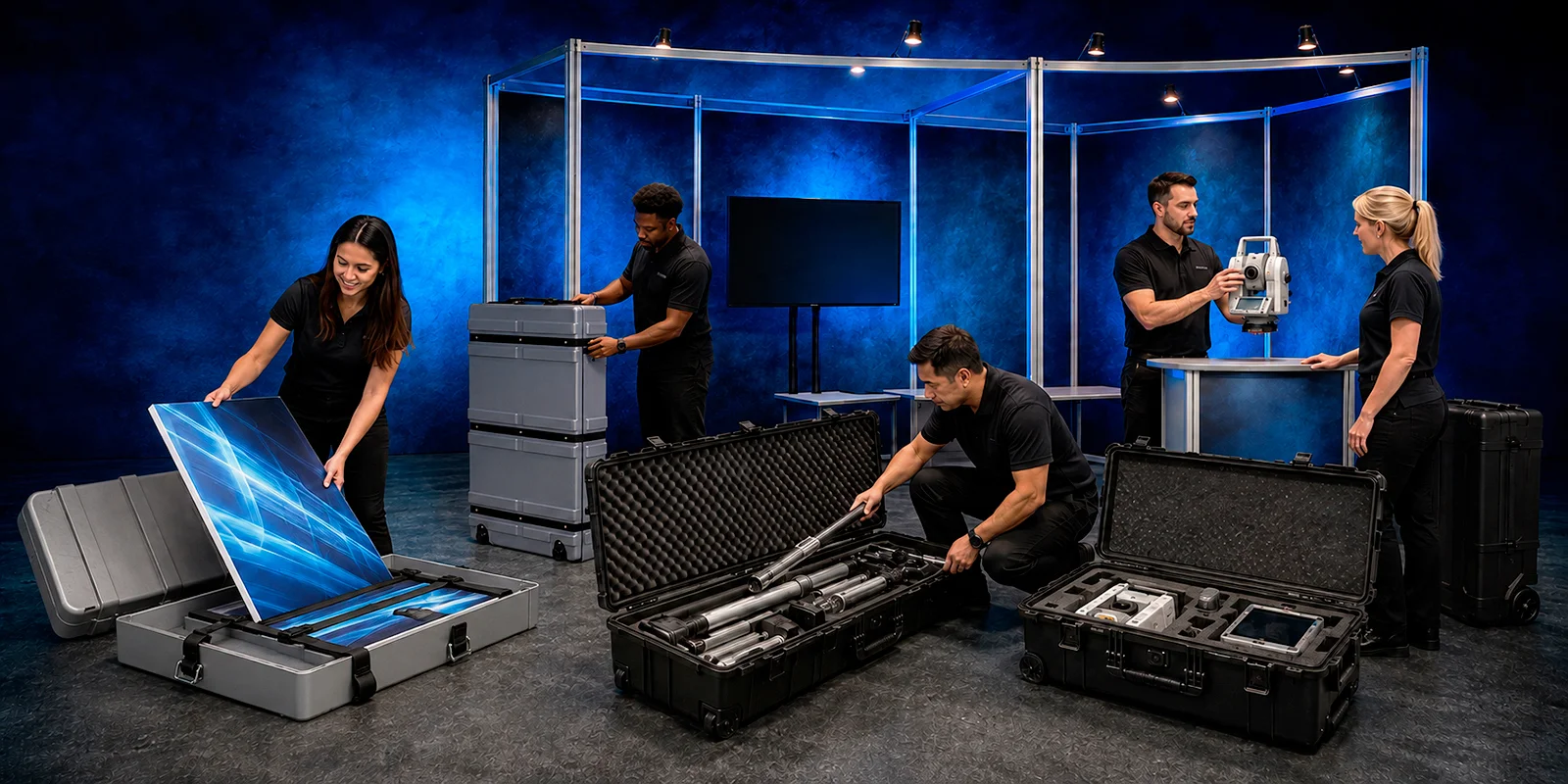
Protective cases for trade shows and product demonstrations

Exhibits & Demonstrations

Trade Shows & Product Demonstrations

Use for displays, demo products, booth hardware, monitors, presentation systems, samples, and reusable exhibit materials moving through warehouses, carriers, hotels, and venues.

Compare first: packed size, event frequency, carrier method, venue pathways, setup order, labeled packing positions, wheels, and return shipping.

Know the equipment? Start here

Shop by Equipment and Case Type

Choose the product family that matches the equipment or installed format. On the category page, filter by usable dimensions, then compare loaded weight, wheels, handles, lid or rack access, and interior configuration.

Shipping & Equipment Cases

Start here for standalone electronics, instruments, tools, and field kits. Compare usable interior dimensions, shipment method, loaded weight, wheels, and empty, foam, or divider interiors.

Compare Shipping Cases

Rackmount Systems

Use for electronics already mounted—or intended to be mounted—in rack rails. Record rack units (U), rack depth, installed weight, front and rear access, and whether the system travels assembled.

Compare Rack Cases

Laptops & Tablets

Choose single-device or multi-device transport. Count devices and include chargers, docks, adapters, and cables; then compare screen separation, accessory storage, wheels, and loaded handling weight.

Compare Laptop & Tablet Cases

Servers & IT Hardware

Use for rackmount or tower server transport. Record chassis dimensions, installed rails, handles, weight, cables, and accessories; verify the usable interior and lifting plan before ordering.

Compare Server Shipping Cases

Displays & Monitors

Measure the complete display in its packed configuration, including any stand, bracket, or handle that remains attached. Compare screen quantity, orientation, bezel clearance, accessory storage, and rolling needs.

Compare Flat Screen Cases

Tools, Instruments & Field Kits

Use for service kits, tools, parts, instruments, and accessories that need a repeatable layout or quick inventory. Compare divider or foam options, small-parts storage, usable depth, wheels, and loaded weight.

Compare Utility Cases

Not sure which family fits? Browse all case categories. If stock dimensions or interiors do not match the equipment, compare custom case and interior options .

Build your requirements

Create a Case Specification Before Comparing Products

1. Measure the Full Packed Equipment

Record length, width, and depth at the widest points. Include knobs, connectors, handles, mounts, attached cables, and every accessory that must share the case. Record the combined equipment weight.

2. Match Protection to the Entire Trip

List each stage: storage, hand carrying, vehicle transport, parcel or freight shipping, air travel, and field use. Note repeated impacts, vibration, dust, moisture, temperature changes, and how often the case will travel.

3. Plan Lifting, Rolling and Access

Identify who will move the loaded case and every doorway, stair, threshold, loading height, and vehicle opening along the route. Decide whether you need wheels, pull handles, removable lids, rack access, or work-from-case access.

4. Define the Interior and Order Plan

Choose empty space, foam, dividers, organizers, or a custom layout before confirming fit. Add case quantity, required delivery date, replacement needs, and whether future orders must use the same configuration.

A case fits only when its usable interior, selected padding, loaded weight, and handling method work together. Exterior dimensions alone do not confirm equipment fit.

For quotes, projects and repeat orders

Send a Complete Requirement for a More Useful Comparison

Since 1989, Specialty Cases has helped organizations evaluate equipment fit, transport conditions, interiors, availability, and purchasing requirements. Include the details below to reduce follow-up questions and narrow the options more efficiently.

Equipment Specification

Send the equipment make and model, widest dimensions, combined weight, accessories, protrusions, quantity per case, and any items that must remain connected or immediately accessible.

Transport & Interior Requirements

Note the shipping and handling method, environmental exposure, lift or wheel requirements, access needs, and preferred foam, divider, organizer, or empty interior. Also review contact customer-service for information regarding shipping, returns, warranties, and ordering details.

Quote & Order Details

Include the total quantity, destination, required delivery date, purchasing process, and whether the configuration must support replacements or repeat orders. If a preferred case is unavailable, identify which specifications can change and which cannot.

Protective Case Selection FAQs

Practical answers for measuring equipment, allowing for an interior, checking product claims, and planning a larger order.

Should I start with my industry or the equipment type?

Start with the industry when transport conditions, workflow, or deployment environment will drive the decision. Start with the equipment when you already know the format—such as a rack, server, laptop fleet, display, instrument, tool kit, or standalone shipping case.

Which measurements do I need before choosing a case?

Measure length, width, and depth at the widest points, including handles, connectors, mounts, feet, knobs, and anything left attached. Record the equipment and accessory weight, quantity per case, and the dimensions of every item that must share the interior.

How much room should I allow for foam or dividers?

Required clearance depends on equipment weight and sensitivity, the transport environment, and the selected interior. Confirm fit after the foam, dividers, organizer, or custom layout is defined; do not match bare equipment dimensions directly to the case's usable interior.

Does an industry recommendation guarantee fit or a protection rating?

No. Industry categories are comparison starting points. Fit, ingress or impact ratings, certifications, and other performance claims apply only when they are documented for the specific product and configuration. Verify the product specifications against the equipment and trip.

What should I provide for a quantity purchase or availability check?

Provide the preferred product or complete equipment specification, total quantity, destination, required delivery date, interior requirements, and repeat-order needs. This makes it easier to review availability, quote requirements, and acceptable alternatives.

What if no stock case fits the equipment?

Compare nearby stock sizes only after accounting for the complete interior and handling limits. If none works, provide the equipment dimensions, weight, quantity, transport environment, access needs, and interior layout to evaluate custom foam, organizers, or case options.

Have your measurements ready?

Get Help Narrowing the Case Options

Send the equipment details, full packed dimensions, combined weight, transport route, quantity, interior preference, and required date. Clear inputs make it easier to compare practical product families, sizes, and alternatives.

Equipment Details to Send

Make and model, widest length, width and depth, combined weight, accessories, protrusions, quantity per case, and required access.

How the Case Will Travel

Storage, hand carrying, vehicle transport, parcel or freight shipping, field use, environmental exposure, and setup frequency.

Order and Interior Requirements

Foam, dividers, organizers or empty space; total quantity, destination, required date, replacements, and future repeat-order needs.

Ready for a Case Recommendation?

Send the measurements, loaded weight, quantity, transport conditions, interior requirements, and required date. We can compare suitable case types, sizes, and alternatives.