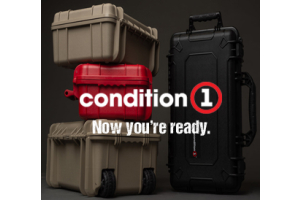
Material selection for manufacturing carrying cases is very important. The materials are the main factor behind the durability of cases. They should be able to withstand abuse and other external forces that may destroy a part being carried.
The most common choice as a material is plastic because it is resistant to many harsh conditions. Other materials include leather for its durability, aluminum and stainless steel for their corrosion resistance, rubber for its ability to maintain its shape, and wood for its protection and reliability.
Described below are common carrying case materials:
PLASTIC
Plastic is the most common material for manufacturing external shells for carrying cases. It exceeds the ATA specifications because it is water-resistant, dustproof, durable, crushproof, and airtight. The most common fabricating process for creating plastic cases is injection molding, wherein the molten plastic is injected into a metal mold. They are cost effective, available in many sizes and have short lead times so, they tend to be the most readily available. Rotationally molded cases are the next step up in durability due to their thicker walls and uniform corners. They are available in larger sizes and can handle heavier weight loads so, they are perfect for large, heavy loads or extreme conditions. Thermoformed cases come in a wide range of sizes and are more of “middle of the road” in durability, cost and available sizes compared to injection and roto-molded cases. Blow molded cases, are the least expensive but serve their purpose by handling smaller and light weight items. Plastic cases are known for their durability and long-lasting qualities.
ALUMINUM
Aluminum has a wide variety of alloys that can be used for making carrying cases. The specified strength and endurance of the different aluminum alloys have made it a perfect solution for manufacturing carrying cases. Aluminum cases come in different sizes, from small briefcases to large shipping cases.
WOOD
Wood is one of the oldest types of carrying cases because of its accessibility as a material. ATA cases, also known as Road Cases have been around a long time and are known as heavy duty shipping cases. They are manufactured with plywood and a plastic laminate such as ABS or Fiberglass. They are a great solution for customers needing specific sizes as they are made to order and can be customized to meet any application. There is no limit to the size- big or small. Crates are another source of wood containers. While they are a available for shipping, they aren’t considered cases. They are sturdy and transportable but, are geared more to logistics and not case applications. ATA cases range from stock cases to completely custom. For custom applications, they don’t require the long lead times and expensive set up that plastic cases require due to the tooling and molds required.
INTERNAL PADDING OPTIONS
Foam inserts are provide the cushion or protection needed to transport your equipment. Foam is typically offered as a liner, foam filled or custom. Depending on the application, equipment and usage, the foam interior can be designed to accommodate even the most sensitive equipment. If presentation is a concern, nothing makes a better statement than custom foam surrounding your equipment. Foam inserts are commonly manufactured from lightweight and durable materials like polyethylene (PE) or polyurethane (PU) which offer the optimum amount of protection for equipment.