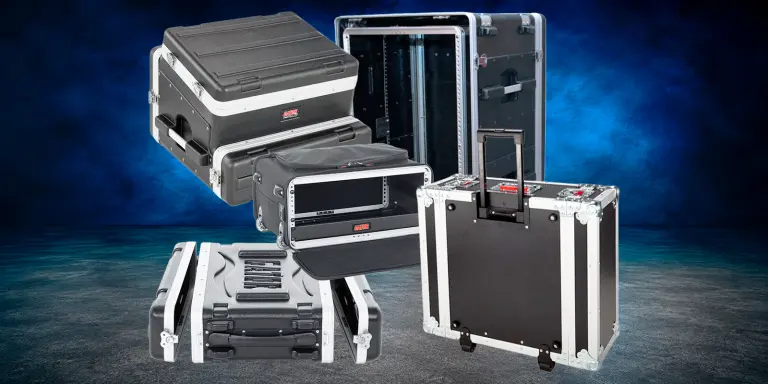
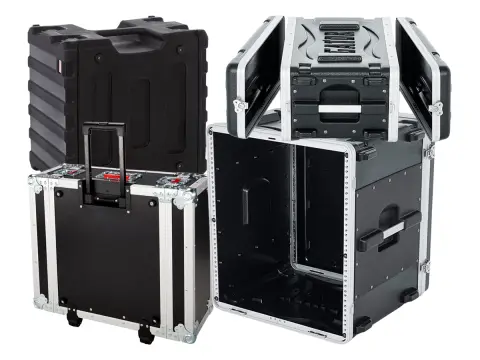
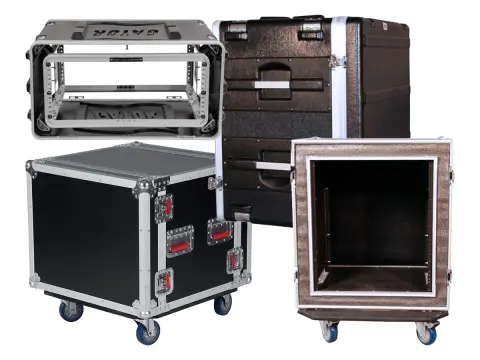
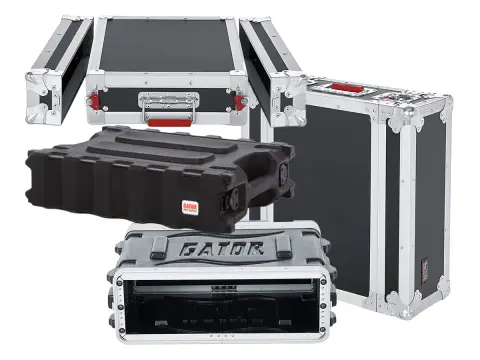
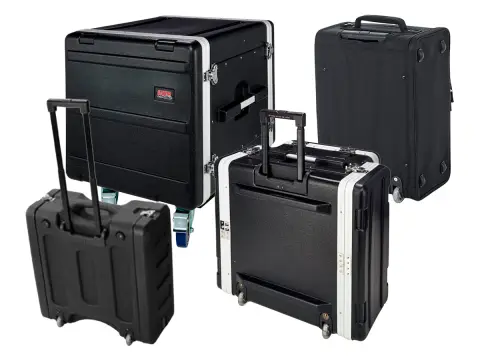
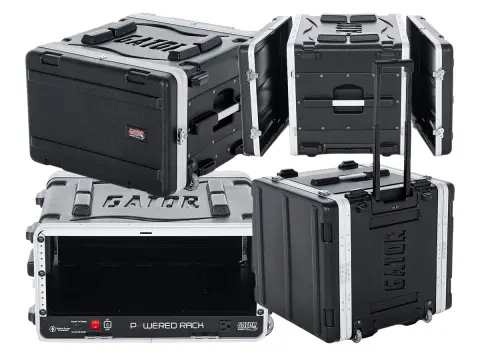
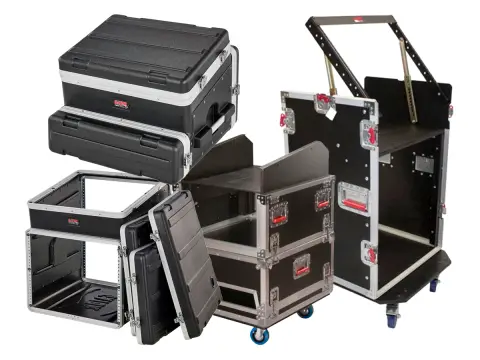
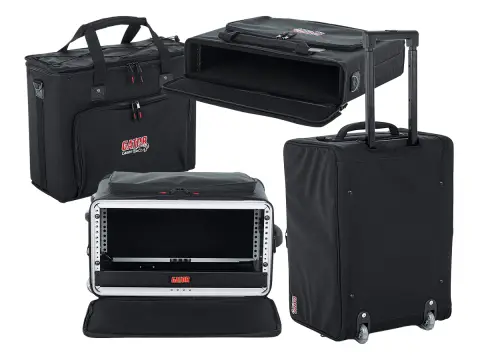
Quick Case Finder Find the Right Rack Cases by Size Choose from the rack options currently available on this category page. Open FinderClose
Gator Rack Cases
Gator Rack Cases provide protective transport and storage for rack-mounted audio, AV, broadcast, IT, and technical equipment, with options ranging from lightweight portable racks to molded, flight-style, shock-protected, shallow, rolling, and console configurations. Start with your rack units and equipment depth, then choose the protection level, mobility, and access style that best fits your system.
Gator Rack Cases
Rack Protection for Audio, AV & Technical Equipment
Standard & Shock Racks • Rolling Racks • Soft Rack Options
Protect rack-mounted equipment with Gator cases designed for different rack heights, depths, protection levels, access requirements, and transport needs.
Start with rack units and equipment depth, then compare protection, mobility, access, and transport style.
Rack Protection for Different Equipment & Transport Needs Gator Rack Cases include standard, shock-protected, shallow, rolling, console, and portable rack formats for protecting audio, AV, broadcast, IT, and other rack-mounted equipment during storage and transport.
Gator Rack Cases
Standard, Shock, Shallow, Rolling, Powered, Console, and Soft Rack Formats
Gator rack cases protect rack-mounted audio, AV, DJ, live sound, broadcast, and IT equipment through storage, transport, and setup. Start with the rack format that matches how your gear travels, then compare rack units, depth, and protection level inside that category.
Rack formats
Shop Gator Rack Cases by Format
Each format solves a different transport problem. Work from your rack units and equipment depth first, then choose based on handling, mobility, and how much isolation the contents need.
When several formats could work, start with how the rack is handled between setups rather than with the case itself.
The Gear Is Sensitive
Use Shock Racks when mounted electronics face repeated handling, rough transport, or freight shipping.
The Rack Is Heavy
Use Rolling Racks when a loaded rack currently takes two people or a cart to move.
The Equipment Is Shallow
Use Shallow Racks when nothing in the rack needs full depth and the extra case is wasted weight.
You Mix From the Case
Use Console Racks when a mixer or controller needs to sit at working height above the rack bay.
You Carry It Yourself
Use Rack Bags when weight and speed matter more than hard-shell transport protection.
You Need Power in the Rack
Use Powered Racks when distribution should be part of the case rather than another rack unit.
Selection guide
How to Specify a Gator Rack Case
Count Rack Units First
Add up the rack units of everything you are mounting, then allow at least one spare unit for ventilation, blanking, or a future addition. Rack units determine the category before anything else does.
Measure the Deepest Component
Measure from the rails to the back of your deepest unit, then add clearance for connectors and cable bend. Equipment that fits between the rails still fails if the cabling has nowhere to go.
Match Protection to the Journey
Decide whether the rack rides in a vehicle you load yourself or ships unattended. That answer, not the price, is what separates a rack bag from a standard rack from a shock rack.
Weigh the Loaded Rack
Total the weight of the mounted equipment before choosing between a carried and a wheeled format. Amplifiers and power gear reach lifting limits faster than rack units suggest.
Plan Rear Rail Support
Deep or heavy equipment should not hang from the front rails alone. Rear rails and support hardware carry the load and keep rails true through transit.
Budget for Screws and Blanks
Every rack unit needs four screws, and open gaps need blanking panels for airflow and a finished front. These are the parts a build runs out of mid-assembly.
Rack units and depth narrow the choice to a category. Handling, weight, and transport method decide which format inside it.
Gator Rack Case FAQs
Common questions about choosing between Gator rack formats, sizing a rack, and adding accessories.
What is the difference between a standard rack and a shock rack?
A standard rack mounts equipment directly to rails fixed in the case, so impact passes through the shell into the gear. A shock rack suspends the rack frame on mounts inside the shell, so the mounts absorb impact and vibration first. Shock racks cost more and weigh more, and they earn that on equipment that ships unattended or travels constantly.
How do I know how many rack units I need?
Add the rack units of each piece of equipment you are mounting, then add at least one spare unit for ventilation, a blanking panel, or future gear. Rack units describe height only, so confirm depth separately against your deepest component plus cable clearance.
What makes a powered rack different from a rolling rack?
Powered racks build power distribution into the case itself, so the rig needs one power drop and no rack unit is given up to a power strip. They are molded rolling cases, so you keep the wheels as well. Choose a standard rolling rack when you already have rack-mounted power or prefer to specify your own.
Are rack bags strong enough for touring or shipping?
Rack bags are built for gear you carry and set up yourself, usually travelling in a vehicle. They are not intended for checked freight, stacked loads, or unattended shipping. If a rack leaves your hands and gets handled by someone else, move up to a molded or flight-style rack case.
Do I need rear rails for my equipment?
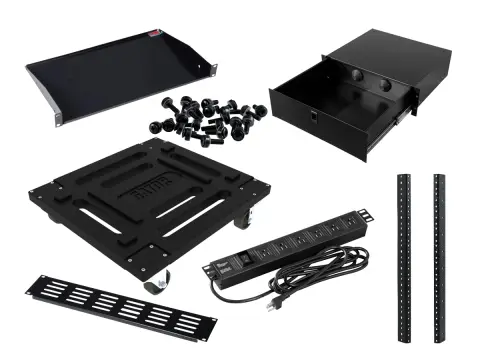
Deep or heavy equipment should be supported at the back rather than hanging from the front rails, which bends rails and stresses the mounting ears on the equipment itself. Rear rail kits and support hardware are listed under Rack Accessories, alongside shelves, drawers, panels, and rack screws.
Can Specialty Cases help me size a rack case?
Yes. Share your rack units, the depth of your deepest component, total mounted weight, and how the rack travels between setups. Our team can narrow the format and confirm the accessories the build needs before you order.
Authorized dealer support
Gator Rack Case Selection and Procurement Support
Specialty Cases is an authorized Gator dealer helping buyers specify rack cases by equipment fit, protection level, mobility, availability, and quantity requirements.
Rack Sizing Guidance
Send your rack units, equipment depth, and mounted weight and we can confirm the format and the rear support your build needs.
Stock and Quote Support
Request a quote for lead times, freight, and quantity pricing on multi-rack orders.
Accessories and Alternatives
When a format is unavailable or incomplete for the build, compare alternatives and Rackworks accessories by fit, load, and mobility.
Rack comparison
Compare Gator Rack Formats
Use this comparison to pick the rack format before narrowing to a specific size within that category.
Swipe horizontally to compare all options.
Gator rack formats by best use, protection or mobility style, and shopping path.
Rack format
Best for
Protection / mobility style
Shop
Standard Racks
Everyday rack-mounted audio, AV, DJ, and technical equipment.
Molded and flight-style hard cases with rails fixed to the shell.
Starting from rack units and depth makes it faster to compare the sizes, rails, and accessories that actually matter for the gear.
The Right Level of Protection
Soft bags, molded cases, and shock-isolated racks solve different handling problems, even when the same equipment is mounted inside.
Clearer Purchasing Decisions
Availability, freight, accessories, and quantity pricing can be settled before a team standardizes on a rack format.
Need Help Choosing a Gator Rack Case?
Share your rack units, the depth of your deepest component, total mounted weight, transport method, and quantity. Our team can narrow the right Gator rack format and confirm current options.