Use this guide when
- A stock case already fits
- The shell fits but the equipment needs defined support
- No stock shell meets size or access requirements
- Repeat kits or growing programs
items

Protective case planning guide
Choose the level of customization that solves the fit and workflow requirements. Many projects start with a standard shell and a purpose-designed interior.
Order, shipping, or return questions? Visit the Help Center.
Have these ready
Is this guide for you?
Common use cases
Compare the situations below and check the details that matter for your equipment and handling route.
Standard interior and available accessories Verify the actual packing layout and usable dimensions.
Stock case with custom foam or another fitted interior Provide equipment details, weight, and contact restrictions.
Custom case configuration Define mandatory dimensions, openings, handling, and hardware.
Documented case and interior specification Plan approval, labeling, replacement parts, and future availability.
Selection details
| Your situation | What to compare | Before you choose |
|---|---|---|
| A stock case already fits | Standard interior and available accessories | Verify the actual packing layout and usable dimensions. |
| The shell fits but the equipment needs defined support | Stock case with custom foam or another fitted interior | Provide equipment details, weight, and contact restrictions. |
| No stock shell meets size or access requirements | Custom case configuration | Define mandatory dimensions, openings, handling, and hardware. |
| Repeat kits or growing programs | Documented case and interior specification | Plan approval, labeling, replacement parts, and future availability. |
Step by step
Follow these steps before comparing final case configurations or requesting a quote.
Is the problem shell size, interior fit, access, presentation, or handling? Write the requirement before choosing a solution.
Review available dimensions, construction, lid access, mobility, and compatible interiors.
Provide an equipment list, photos or drawings, proposed layout, quantities, and any identification needs.
Confirm what needs review before production, the final specification, delivery needs, and how repeat orders will be matched.
Recommended starting points
Use these as starting points; confirm dimensions, interiors, handling, and model specifications before ordering.
Compare stock shells before defining custom work.
Browse shipping casesCompare stock formats for repeat kits.
Browse utility casesSelection checklist
Have these details ready before comparing cases or requesting a quote.
Procurement support
Review quote requirements, approved terms, and vendor documents before submitting your order.
Include equipment details, quantity, destination, and delivery date. Purchase orders are subject to account approval.
Approved organizations may apply for Net 30 terms, subject to credit review.
Use the current business forms required for your vendor file.
Additional guidance: Organizational purchasing and preparing a quote request.
FAQs
For orders, shipping, and return policies, visit the Help Center.
Quantity alone does not determine construction. Compare fit, workflow, availability, and the overall program requirements.
A sketch is a useful starting point. Confirm the measurements, specifications, and approval requirements with the team before production.
Send your equipment list, dimensions, accessories, quantity, intended use, and delivery date. We will help compare cases and interiors and prepare a quote.
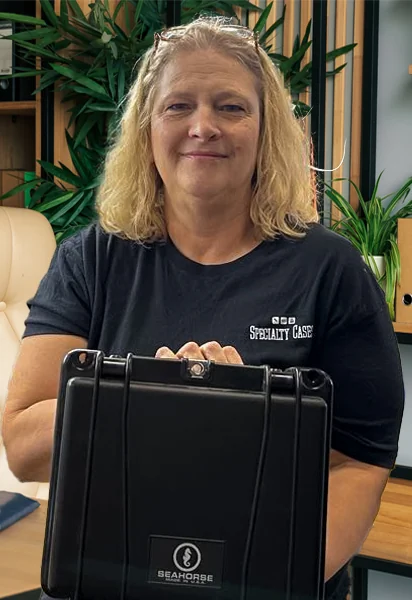
Tell us what you’re trying to protect (dimensions, weight, use-case) and we’ll help you pick the right case.
Checking availability…
Would you like us to check stock for a specific case?
Send the product and quantity. We’ll confirm availability, lead time, and practical alternatives.
Send a message and our team will follow up by email.