Use this guide when
- Daily service kits
- Dirty or exposed sites
- Changing tool sets
- Vehicle-based work
items

Industry planning · Equipment protection
Plan cases for diagnostics, instruments, tools, controls, and replacement parts. Match the layout to daily service work and the path between storage, vehicle, and job site.
Order, shipping, or return questions? Visit the Help Center.
Have these ready
Is this guide for you?
Common use cases
Compare the situations below and check the details that matter for your equipment and handling route.
Frequently used items, removal order, and accessory organization Keep small parts and tools separated from sensitive instruments.
Model-specific protection and suitable interior materials Describe dust, moisture, and cleaning requirements.
Adjustable organization versus fixed foam Identify which parts change and which remain standard.
Loaded weight, restraint, opening access, and storage fit Measure the vehicle opening and note handling equipment.
Selection details
| Your project | What to compare | Details to confirm |
|---|---|---|
| Daily service kits | Frequently used items, removal order, and accessory organization | Keep small parts and tools separated from sensitive instruments. |
| Dirty or exposed sites | Model-specific protection and suitable interior materials | Describe dust, moisture, and cleaning requirements. |
| Changing tool sets | Adjustable organization versus fixed foam | Identify which parts change and which remain standard. |
| Vehicle-based work | Loaded weight, restraint, opening access, and storage fit | Measure the vehicle opening and note handling equipment. |
Step by step
Follow these steps before comparing final case configurations or requesting a quote.
Group the equipment by service job and identify shared or frequently replaced items.
Record exposure, rolling surfaces, access, and any equipment-specific storage or handling requirements.
Plan separation, visibility, labels, and access for the tools used first.
Include restocking, inspection, repacking, and replacement interior requirements.
Recommended starting points
Use these as starting points; confirm dimensions, interiors, handling, and model specifications before ordering.
Compare tool and field-kit organization.
Browse utility casesCompare access for daily work.
Browse carrying casesCompare reusable repair or equipment transport.
Browse shipping casesExplore the broader product selection on the industry shopping page.
Selection checklist
Have these details ready before comparing cases or requesting a quote.
Procurement support
Review quote requirements, approved terms, and vendor documents before submitting your order.
Include equipment details, quantity, destination, and delivery date. Purchase orders are subject to account approval.
Approved organizations may apply for Net 30 terms, subject to credit review.
Use the current business forms required for your vendor file.
Additional guidance: Organizational purchasing and preparing a quote request.
FAQs
For orders, shipping, and return policies, visit the Help Center.
Choose fixed positions for stable contents and predictable inventory checks. Consider adjustable organization when the equipment changes frequently.
Check the exact case’s published protection specifications and the way it will be used. Avoid assuming a rating from the shell material.
Send your equipment list, dimensions, accessories, quantity, intended use, and delivery date. We will help compare cases and interiors and prepare a quote.
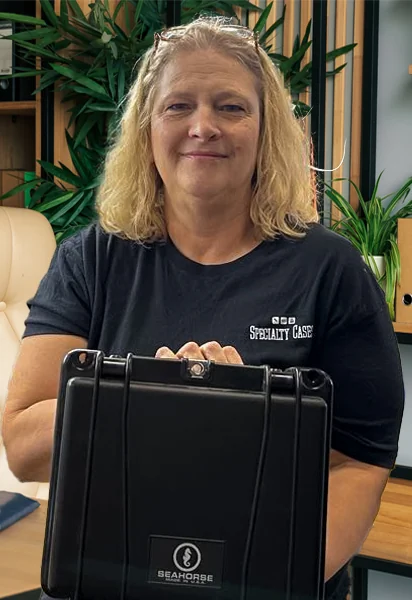
Tell us what you’re trying to protect (dimensions, weight, use-case) and we’ll help you pick the right case.
Checking availability…
Would you like us to check stock for a specific case?
Send the product and quantity. We’ll confirm availability, lead time, and practical alternatives.
Send a message and our team will follow up by email.