Use this guide when
- Long-term storage
- Daily access
- Product demos
- Vehicle storage
items

Protective case planning guide
Plan cases for shelves, vehicles, labs, demonstrations, and daily access. Match the interior and construction to the storage environment and how the contents are used.
Order, shipping, or return questions? Visit the Help Center.
Have these ready
Is this guide for you?
Common use cases
Compare the situations below and check the details that matter for your equipment and handling route.
Environment, appropriate interior materials, identification, and inspection access Check equipment-maker storage requirements and actual case specifications.
Opening direction, latches, removal space, and organization Make commonly used items accessible without disturbing the whole kit.
Presentation layout, part visibility, and separate cable storage Plan how equipment is removed or used for the demonstration.
Exterior fit, restraint, temperature exposure, and access A protective case does not actively control temperature.
Selection details
| Your situation | What to compare | Before you choose |
|---|---|---|
| Long-term storage | Environment, appropriate interior materials, identification, and inspection access | Check equipment-maker storage requirements and actual case specifications. |
| Daily access | Opening direction, latches, removal space, and organization | Make commonly used items accessible without disturbing the whole kit. |
| Product demos | Presentation layout, part visibility, and separate cable storage | Plan how equipment is removed or used for the demonstration. |
| Vehicle storage | Exterior fit, restraint, temperature exposure, and access | A protective case does not actively control temperature. |
Step by step
Follow these steps before comparing final case configurations or requesting a quote.
Include every part, cable, tool, document, and accessory that belongs with the kit.
Check shelf or vehicle dimensions, lid opening clearance, and room to lift the contents out.
Compare fixed foam for a stable kit with adjustable organization for changing contents. Confirm material compatibility for the equipment.
Specify labels, packing positions, and periodic checks appropriate to the equipment and storage environment.
Recommended starting points
Use these as starting points; confirm dimensions, interiors, handling, and model specifications before ordering.
Compare storage for tools, instruments, and accessories.
Browse utility casesCompare daily access and presentation formats.
Browse carrying casesCompare transport for booth and exhibit components.
Browse expo casesSelection checklist
Have these details ready before comparing cases or requesting a quote.
Procurement support
Review quote requirements, approved terms, and vendor documents before submitting your order.
Include equipment details, quantity, destination, and delivery date. Purchase orders are subject to account approval.
Approved organizations may apply for Net 30 terms, subject to credit review.
Use the current business forms required for your vendor file.
Additional guidance: Organizational purchasing and preparing a quote request.
FAQs
For orders, shipping, and return policies, visit the Help Center.
No. Check the exact case’s published protection specifications and required operating conditions.
Avoid packing damp equipment. Follow the equipment and case manufacturers’ storage guidance, including any humidity-control and inspection requirements.
A lockable case can restrict casual access but should not be treated as a rated security safe. Match security arrangements to the items and your organization’s requirements.
Send your equipment list, dimensions, accessories, quantity, intended use, and delivery date. We will help compare cases and interiors and prepare a quote.
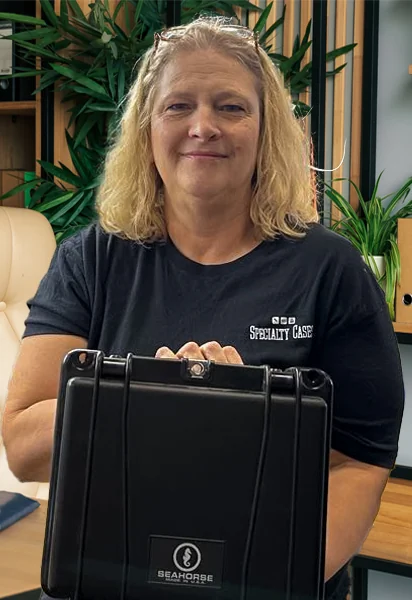
Tell us what you’re trying to protect (dimensions, weight, use-case) and we’ll help you pick the right case.
Checking availability…
Would you like us to check stock for a specific case?
Send the product and quantity. We’ll confirm availability, lead time, and practical alternatives.
Send a message and our team will follow up by email.